
Bulk Party Favors: Forecasting Quantities Without Waste
Estimate bulk party favors with a simple forecasting framework: guest math, age-based buffers, and smart handout methods to avoid last-minute stress or leftovers.
Start With the “Who” and “When”: Your Forecasting Inputs
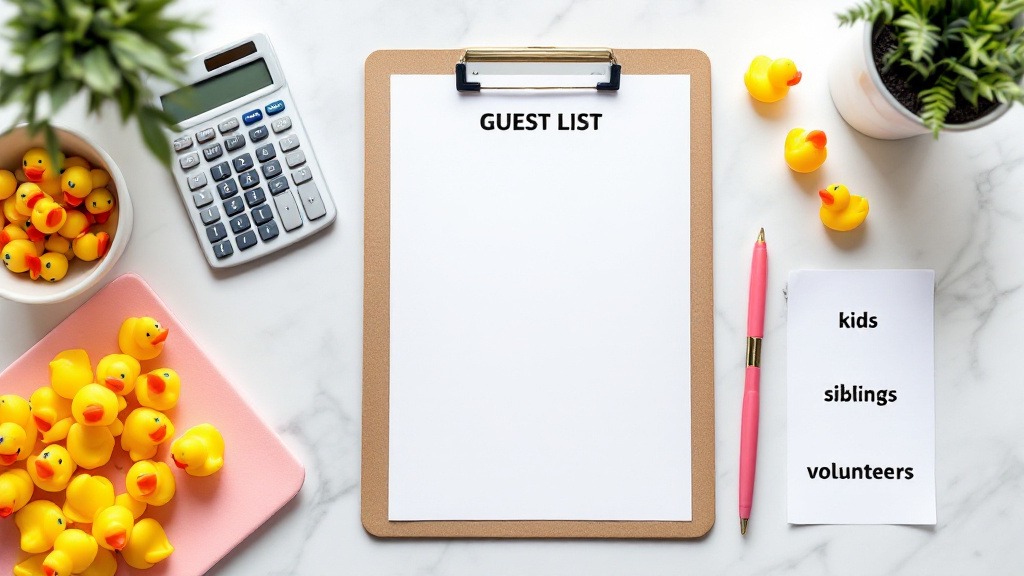
Bulk party-favors get tricky because the guest list is rarely the real number of hands reaching into the bin. For solid forecasting (and calmer event-planning), begin by defining three inputs: your expected attendance, the age mix, and the handout moment. A classroom party where favors are placed on desks behaves differently than a birthday where kids grab extras on the way out.
Next, translate “guest count” into “recipient count.” For kids’ birthdays, assume siblings may tag along; for school events, add teachers and helpers; for fundraisers, plan for volunteers running stations. A practical rule is to treat RSVPs as a starting point, then layer in known additions (one sibling per X families, one staff member per class, etc.).
Finally, decide whether the favor is 1 per person (simple) or choice-based (higher variance). Choice-based tables—like themed ducks or mixed toys—need extra units so guests can still pick favorites without wiping out a category early.
A Simple Quantity Formula (Plus Buffers That Actually Work)
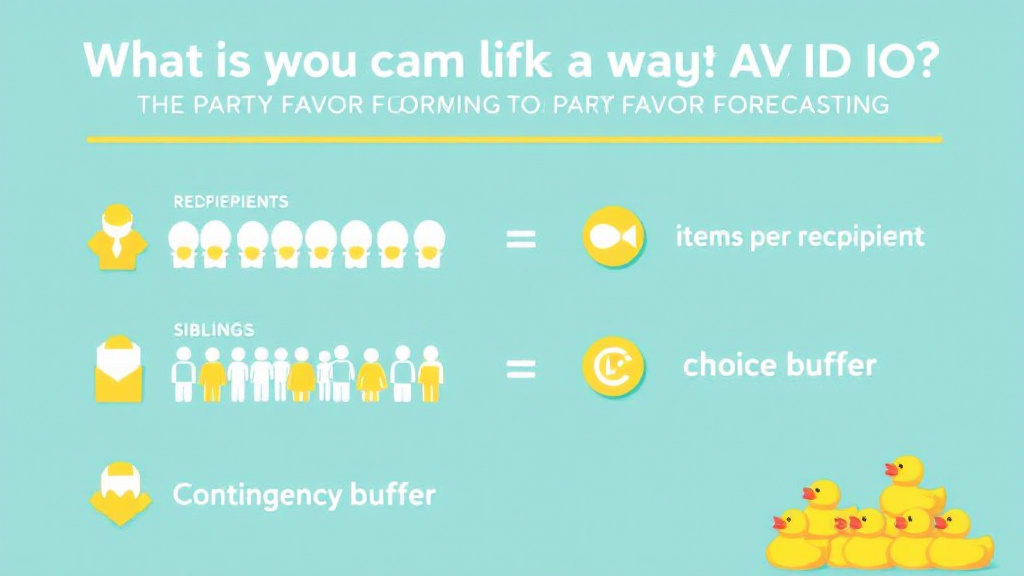
Use this base formula for bulk-buying: Total to order = recipients × items per recipient + choice buffer + contingency buffer. Start with recipients (guests + known extras), then multiply by items per recipient (often 1). If you’re doing a “pick one” table with multiple themes/colors, add a choice buffer so popular styles don’t run out first.
Buffer size depends on age and setting. For toddlers to early elementary, add 10–20% because favors get dropped, claimed twice, or requested by siblings. For older kids/teens, 5–10% is usually enough. For structured school distributions (teacher hands out), you can stay tighter; for free-for-all bins, go higher.
Add a small contingency buffer for real-world friction: late RSVPs, last-minute volunteers, or damaged packaging. If you’re planning fundraisers, also consider “sales uplift”—ordering an extra 15–25% can be reasonable if you can store leftovers for the next event. The goal isn’t perfection; it’s avoiding expensive overnight shipping and stressful shortages.
Packaging and Handout Methods That Prevent Waste (and Panic)
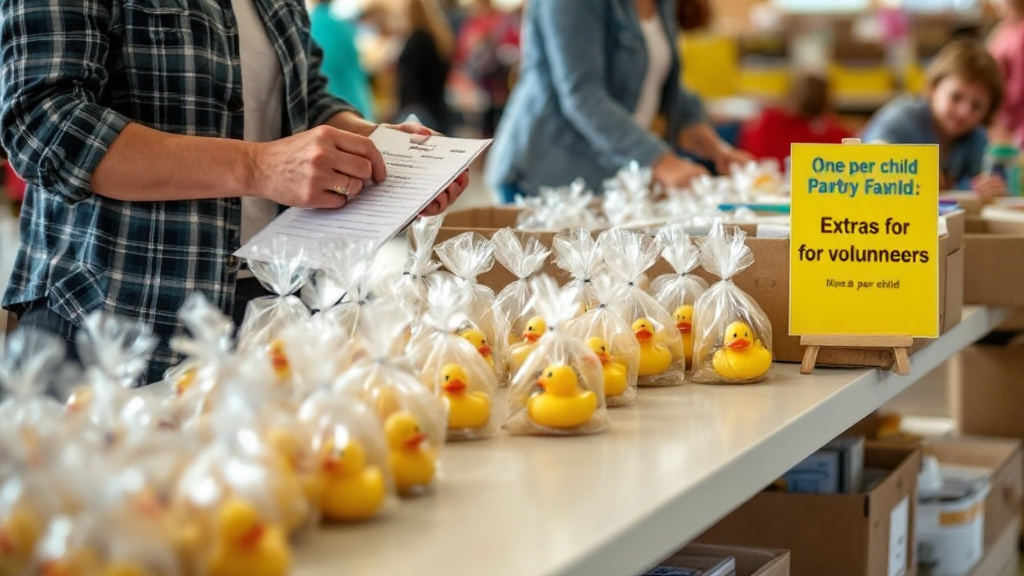
How you package and distribute party-favors can cut waste as much as good forecasting. The lowest-waste approach is pre-bagging: one labeled bundle per recipient, handed out by a host or teacher. It reduces double-dipping and keeps your count aligned with your plan. If you want a “choose your favorite” moment, use portioning trays (e.g., 10 per style per tray) and refill from a back stock so the display never empties unevenly.
To avoid common pitfalls, set a clear cutoff: “RSVP by Wednesday,” then order using your formula and buffers. Assign one person to distribution so extras don’t vanish early. For bulk tables at school or fundraisers, create a simple rule: “one per ticket” or “one per child,” and place extras behind the table.
If you still end up with leftovers, plan a reuse path before you order: classroom prize box, next month’s event, donation, or a future bulk bundle. Stores like DuckDen Retail make this easier by offering searchable themes and tiered bulk-buying quantities, so you can right-size orders and restock quickly without vendor hopping.